South Miami Spine and Joint

Osteoarthritis Treatment in South Miami

The ache is fine for the first few minutes of activity, then it builds into something that makes you slow down. If you are watching what you do instead of just doing it, one evaluation opens up what is actually holding you back.

01What Causes It

What causes osteoarthritis?

Osteoarthritis shows up differently in every joint, but the pattern underneath is usually the same. Cartilage wears down, the joint gets stiffer, and the muscles around it stop pulling their weight. It can hit your hips, knees, shoulders, or hands, and it rarely comes from one single cause. Knowing exactly what is driving the stiffness in your joint is what makes a treatment plan actually work instead of just masking the ache.
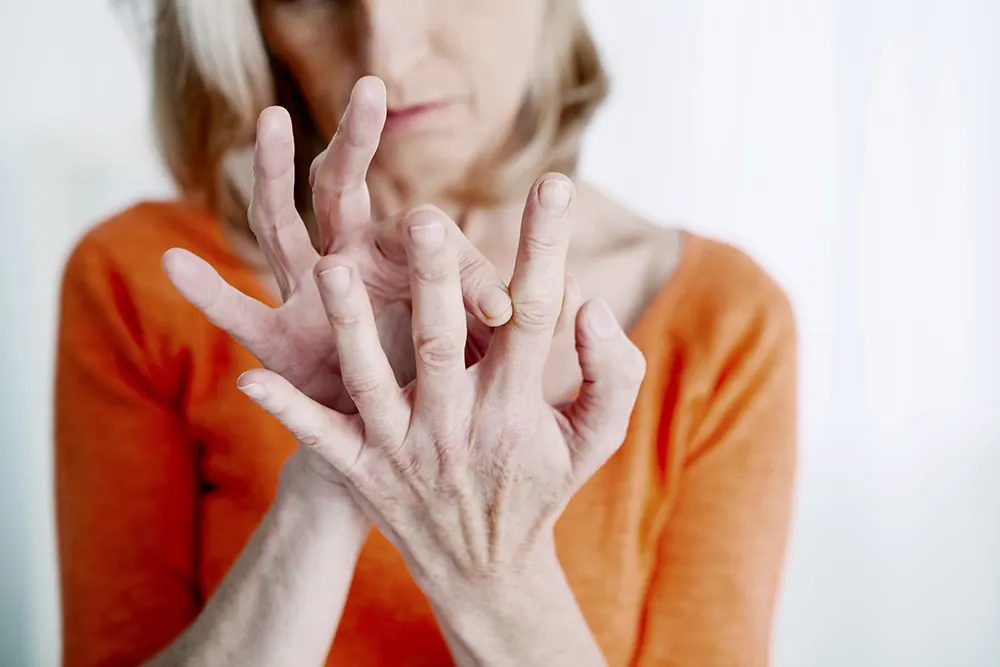
Hands showing joint stiffness from osteoarthritis

Cartilage is the smooth cushion that lets your joints glide without friction. Years of use, especially in joints that carry load or repeat the same motion, gradually thin that cushion out. This wear speeds up with age, but it is not something you just have to live with. Strengthening the muscles around a worn joint takes pressure off the cartilage that is left.

An arthritic joint often feels its worst right after you wake up or after sitting for a while, then loosens up once you start moving. That pattern is classic osteoarthritis. The joint fluid that normally lubricates movement thickens when the joint sits still, so the first few steps or stretches feel tight until things warm up.

The muscles around a joint are supposed to absorb a large share of the force that joint takes on. When those muscles are weak, more of that load lands directly on the cartilage and joint surfaces. Over time this speeds up wear and makes the joint feel less stable. Rebuilding that strength is one of the most effective ways to protect an arthritic joint.

A joint that has been sprained, fractured, or operated on in the past often develops arthritis earlier and more severely than a joint with no history of injury. The old injury changes how the joint moves and how evenly it distributes force, so certain areas of cartilage take on more wear than they should. This is why arthritis can show up years after the original injury healed.

Osteoarthritis is not always a steady, predictable ache. Many people get flare-ups where the joint becomes swollen, warm, and noticeably more painful for a stretch of days. This happens when irritation inside the joint spikes, often after overuse or a change in activity. Managing these flares with the right combination of rest, movement, and hands-on care keeps them from lingering.

It feels logical to rest a painful joint and avoid moving it. In osteoarthritis, that instinct usually backfires. Joints that do not move lose the little cartilage lubrication they have left and the surrounding muscles get weaker, which makes the joint stiffer and more vulnerable. The right amount and type of movement is what actually protects an arthritic joint over time.
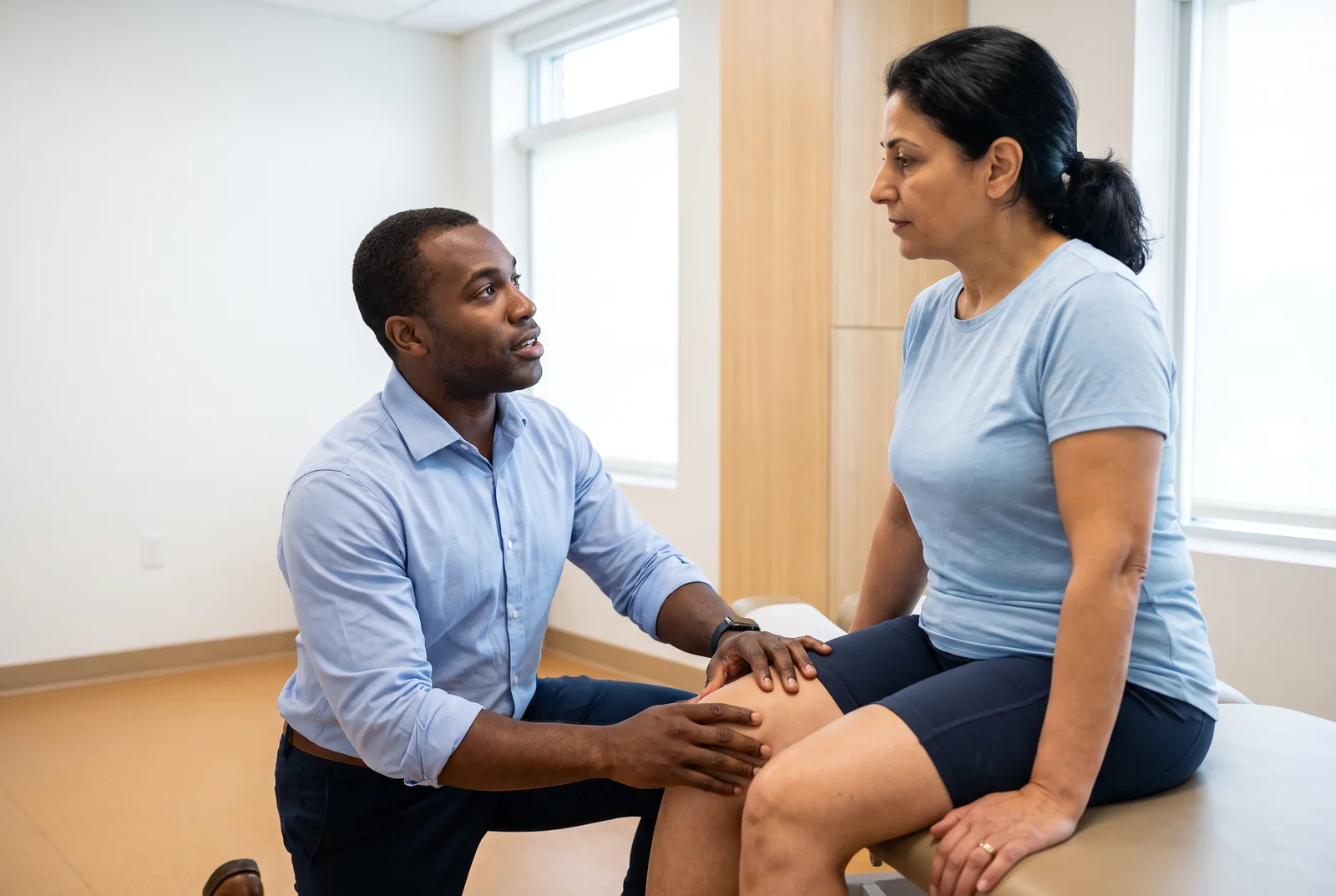
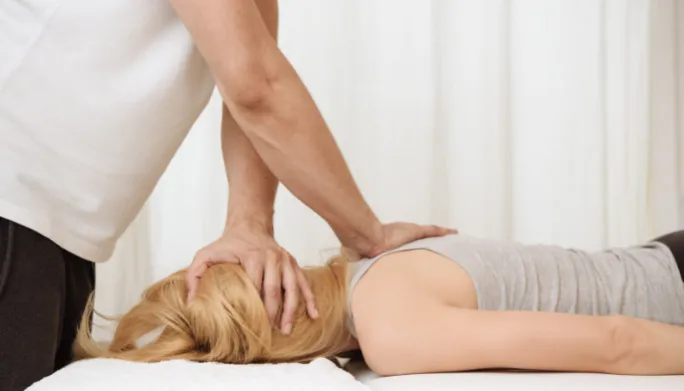
Clinician discussing an osteoarthritis treatment plan with a patient
02How PT Helps

How physical therapy in South Miami helps.

Osteoarthritis is manageable, even when imaging shows real wear in the joint. We start by strengthening the muscles that support and offload the affected joint, so the cartilage that is left carries less stress with every step or movement. We restore the mobility that stiffness has taken away, working through hands-on care to calm pain during flare-ups without you needing to rely on it forever. From there we build a sustainable activity plan around your joint, one that keeps you moving instead of sidelining you. Arthritis does not have to mean giving up the things you want to do. It means learning how to do them in a way your joints can handle.

03What To Expect

What to expect from your recovery.

01

Assessment

We look closely at the joint that is giving you trouble and how it moves through your daily activities. We test your strength, flexibility, and stability around that joint and the ones near it. We find exactly how much stiffness and weakness are contributing to your pain, not just where it hurts.

02

Hands-on care

We use manual therapy to ease stiffness and calm pain in the affected joint. This helps you move more freely and get through flare-ups without them setting you back. As mobility improves, everyday movements start feeling easier almost right away.

03

Progressive strengthening

We build strength in the muscles that support your joint, so they can absorb more of the load that used to fall on worn cartilage. We progress your activity level in a way your joint can handle. That strength is what protects your joint and keeps you moving long after therapy ends.

In Their Words
Excellent experience! Very knowledgeable and professional while still keeping a friendly and approachable manner.
Jaime M. · 3 years ago
Related Conditions

Pain rarely travels alone.

Request an Appointment

Ready when you are.

HoursMon–Fri: 8:00 AM – 5:00 PM
Walk-insCall ahead
Book your evaluation. Same-week appointments available.
Step 1 of 5
First things first. What's your name?
We'll need a name to book you in.
Best number to reach you?
A phone number lets us confirm same-day.
And your email?
We'll send your confirmation here.
What questions do you have about your hip or knee?
A few words is all we need.
Look right? Send it.
✓
Request received.

We'll call within business hours to lock in your time.

Schedule Appointment