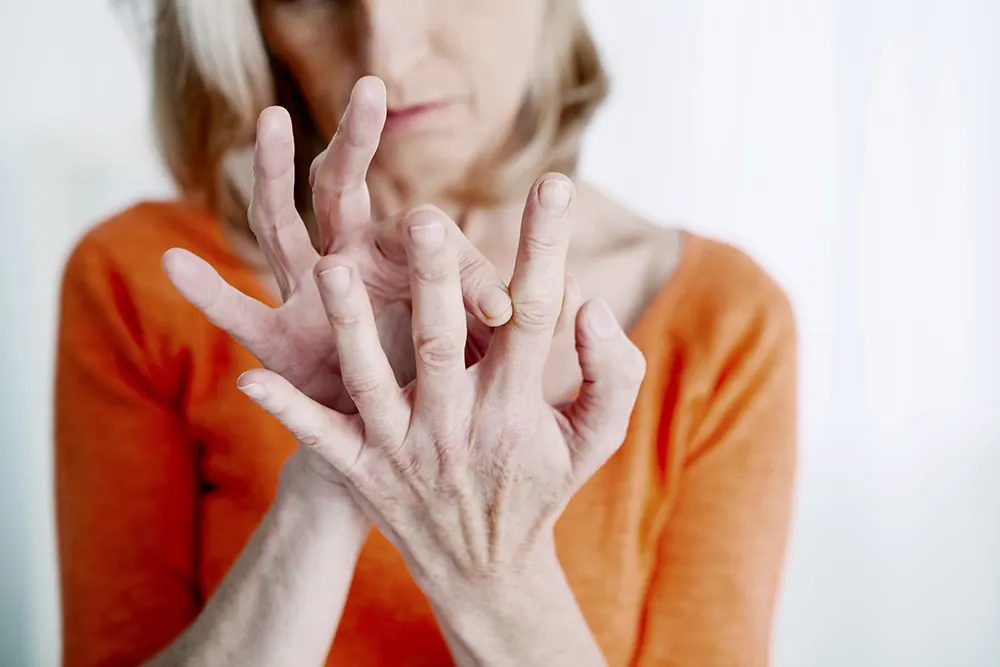
Osteoarthritis (OA) is known as a degenerative joint disease, meaning it gets worse as time progresses. It's the most commonly reported form of disease resulting from arthritis, affecting millions of people worldwide. While symptoms can be managed, damage to the joints is not reversible. OA develops when the protective cartilage that cushions your bones wears down over time, and it can damage any joint in the body, most often the hands, knees, hips, and spine.
Living With Osteoarthritis
Cartilage is your body's buffer zone. It lets your joints move smoothly, and when it begins to break down, your bones end up rubbing together as you move. The resulting friction causes inflammation, pain, and stiffness. OA can also affect the components that hold the joint together and attach muscle to bone, and it's common for OA to cause inflammation of the joint lining. Many Americans with this disease end up considering joint replacement surgery, which can take six months to a full year to recover from, and even then, the joint may not feel the same, with wear on the new joint surface sometimes becoming a problem again 15 to 20 years later.
Laying The Groundwork For Change
Although some causes of osteoarthritis are out of our control, there are lifestyle changes that can reduce your risk of developing it. At South Miami Spine and Joint, we take those factors seriously, because they're areas where we can truly make an impact by slowing the progression of the disease, improving joint function, and helping you get back to the active lifestyle you've been searching for.
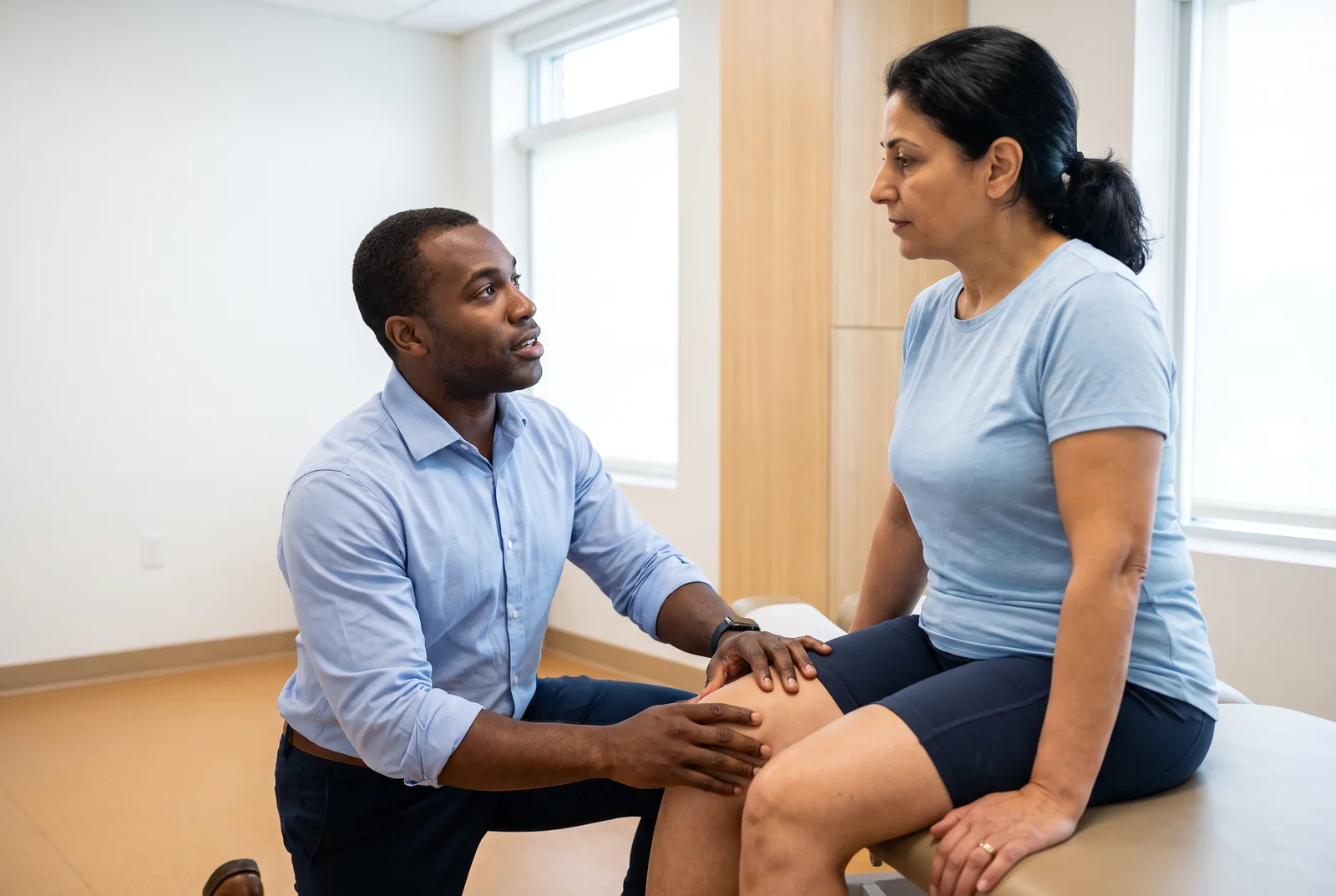
If you have joint pain, tenderness, loss of flexibility, or stiffness that won't go away and seems to be worsening, it's time to make an appointment. The most common causes of degenerative joint disease are largely preventable, and while long-term effects aren't reversible, they are manageable. The sooner you make the right lifestyle choices, the better off your long-term health will be.
Risk Factors And How To Counter Them
Gender. Women are more likely to develop osteoarthritis, though it's not entirely clear why; hormonal differences, including the drop in estrogen after menopause, may play a role.
Obesity. Research has shown that the risk of knee osteoarthritis increases progressively across BMI categories: someone with a BMI of 36 or higher is roughly 14 times more likely to develop knee osteoarthritis than someone at a healthy weight, and long-term obesity also increases pain, reduces the effectiveness of pain-relieving medication, and raises the odds of a poor outcome from joint replacement surgery. Of all the preventable factors, obesity is the single biggest cause of osteoarthritis in weight-bearing joints.
Age. Arthritis is a frequent problem for older adults, and the likelihood of developing OA increases over time. Swimming and low-to-moderately paced walks, paired with daily stretching, put minimal pressure on your joints while helping preserve balance and coordination.
At South Miami Spine and Joint, we offer individualized physical therapy sessions and chiropractic adjustments that can help improve your balance and coordination as you age. Call us at (305) 595-1095 to discuss options that fit your needs.
Family genetics. Osteoarthritis is hereditary, and you're more likely to develop it if your parents, grandparents, or siblings have the condition. If your relatives have joint pain, learning about your family's health history can help your doctor build the right treatment plan for you.
Joint injuries. Past injuries, even ones that healed long ago, can increase your risk of developing OA in that joint, a pattern known as post-traumatic arthritis. It affects an estimated 5.6 million people in the U.S. and accounts for roughly 12% of hip, knee, and ankle osteoarthritis. A prior sports injury, fall, motor vehicle accident, or other trauma can damage cartilage and bone, changing how the joint moves and accelerating wear.
Reversing The Process With Healthy Eating & Proper Exercise
We recommend looking into Go4Life, a campaign from the National Institute on Aging designed to help you fit exercise and physical activity into your daily life, whether you're becoming active for the first time or returning to a routine after a break. Go4Life offers exercises, motivational tips, and free resources in both English and Spanish to help you get ready, get started, and keep going.
Understanding the risk factors behind osteoarthritis, and taking action on the ones you can control, goes a long way toward helping you enjoy a healthy, active lifestyle as you get older.
Content sourced from the Mayo Clinic, Versus Arthritis (Arthritis Research Campaign UK), Cleveland Clinic, the National Institute on Aging, and Go4Life (a registered trademark of the U.S. Department of Health and Human Services). Individual patient needs vary, so always consult your primary doctor regarding your symptoms.
Concerned about a joint that's been bothering you for a while? Our team can help you understand what's driving it. Learn how we treat osteoarthritis, or reach out to schedule a visit.