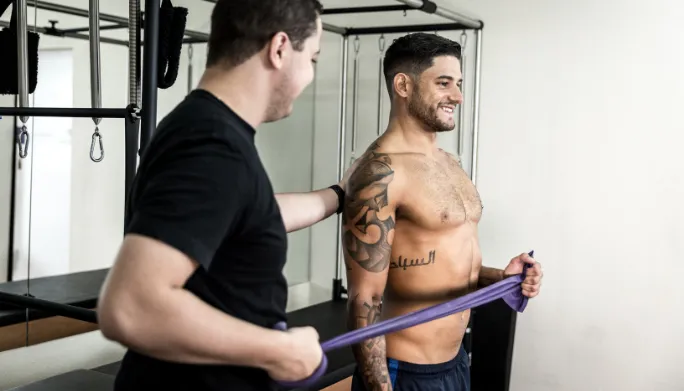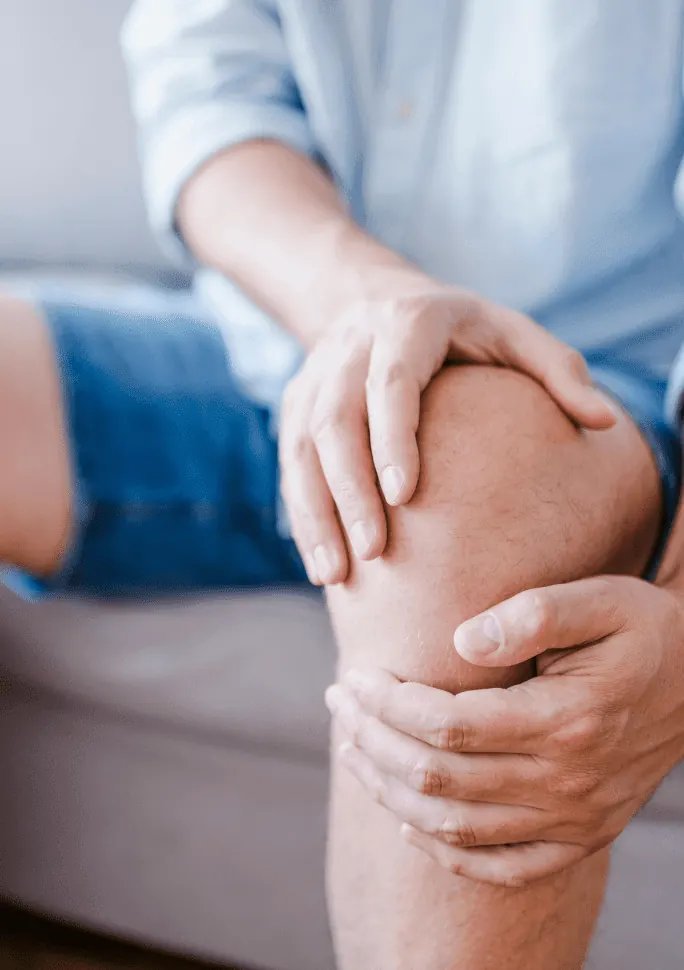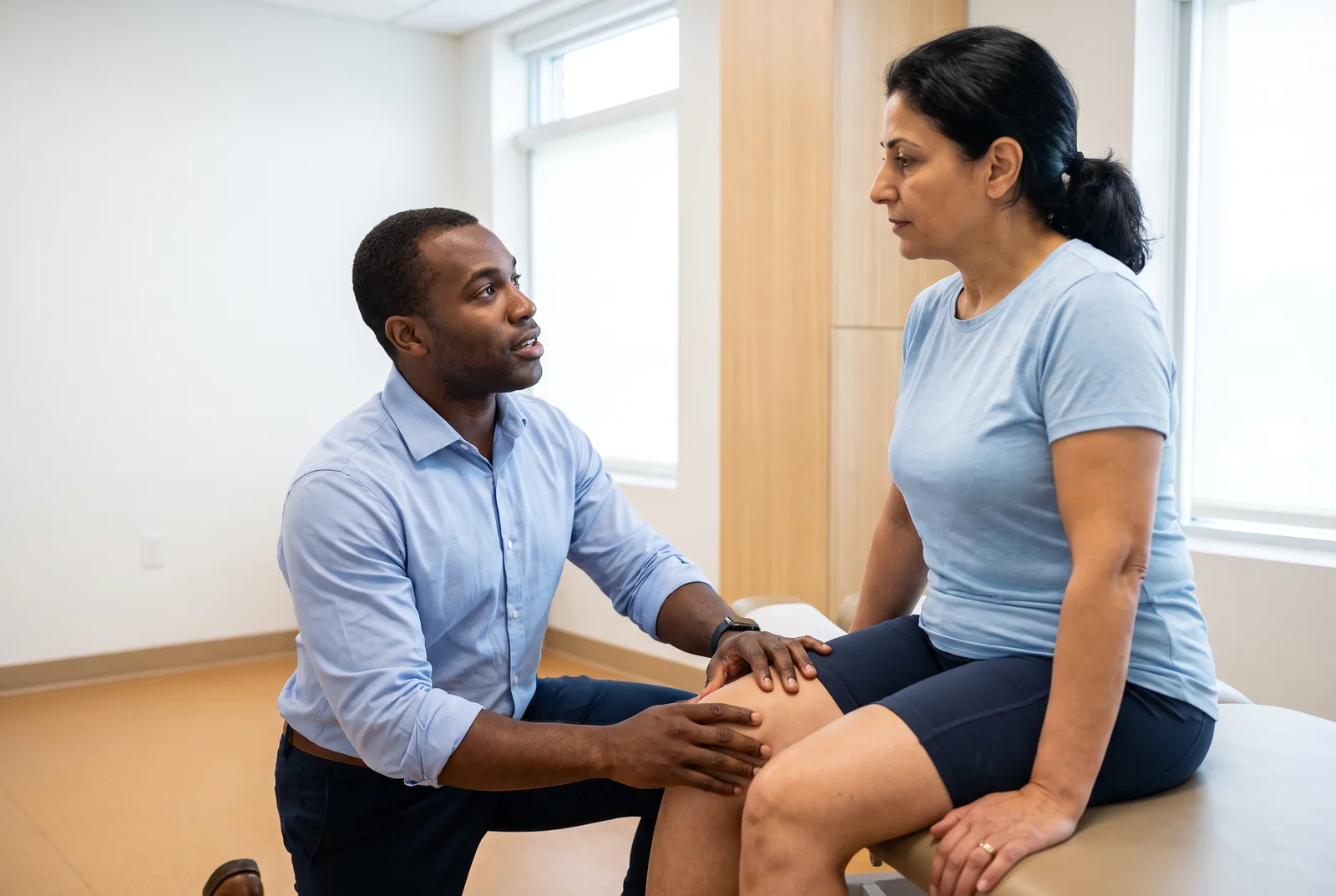
Protect an injured joint while it heals without putting your life on hold. Fitted support that controls movement so you can keep moving safely.

A supportive brace is a fitted device that stabilizes an injured joint while it heals. Instead of locking you into a hard cast or telling you to stay off it entirely, a brace limits the movements that could re-injure you while still allowing the safe movement your body needs to recover. We fit it to your specific joint and injury, then adjust the level of support as your healing progresses so the brace works with your body instead of against it.
The point of bracing is protection without stalling your progress. It reduces the risk of re-injury, controls swelling and strain on the joint, and lets you stay mobile instead of sitting on the sidelines completely. We use it for sprains, for joints recovering from an injury or a procedure, and for ligament instability where the joint needs extra support to stay aligned during daily activity. Get the right level of support at the right time and healing happens on schedule instead of getting set back.
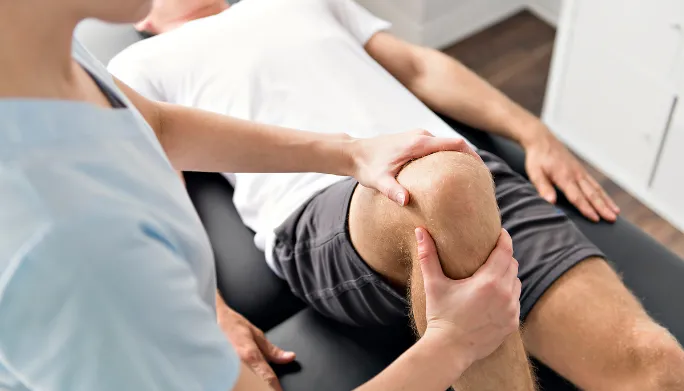
Temporary bracing is for anyone whose joint needs extra support while it heals, whether from a fresh injury, a recent procedure, or ongoing instability. If you need to keep moving without putting the joint at risk, this is built for that.
A sprained ankle, knee, or wrist needs support to heal correctly. A properly fitted brace stabilizes the joint so the injured tissue isn't stressed while it repairs itself. That early protection is often what keeps a sprain from turning into a repeat injury down the line.
If you've had a procedure on a knee, shoulder, or other joint, the area needs protection during the window before it's ready for full activity. A brace limits the movements that could undo that progress while still letting you move through your day. That balance between protection and mobility is exactly what recovery calls for at this stage.
You don't want to sit out completely, but you also can't ignore an unstable joint. A brace gives you the support to keep training and competing while limiting the risk of aggravating the injury further. It's the difference between pushing through blind and moving forward with real protection.
Bracing is straightforward: get fitted, wear it through the healing window, then wean off as your strength returns.
We look at your injury, your joint, and how you move day to day, then fit you with a brace that matches the support level you actually need. The right fit matters: too loose and it won't protect you, too tight and it limits the healthy movement your joint still needs.
You wear the brace through the period when the joint is most vulnerable, whether that's during the day, during activity, or both. We check in along the way to make sure it's still fitting properly and doing its job as swelling and strength change.
As the joint heals and your strength comes back, we reduce your reliance on the brace step by step. The goal is never to depend on it long-term, it's to give the joint what it needs now so you can move without it later.
Check the skin under your brace regularly for redness or irritation, especially in Miami heat. And once you're cleared to come out of it, don't skip rebuilding strength around the joint. The brace protects you during healing, it isn't a substitute for getting the joint strong again.
The team and Priscilla take care of their patients and make what would otherwise be a difficult experience much easier.

One-on-one care that builds strength and corrects the movement patterns causing your pain.

Specialized care for the injuries that happen in athletic competition and training.

The hips and knees take the brunt of athletic load. Strength and stability keep them protected.