South Miami Spine and Joint

Spinal Manipulation in South Miami

Hands-on treatment that unlocks stiff joints, releases tight muscles, and restores the freedom of movement that pain has been stealing from you.

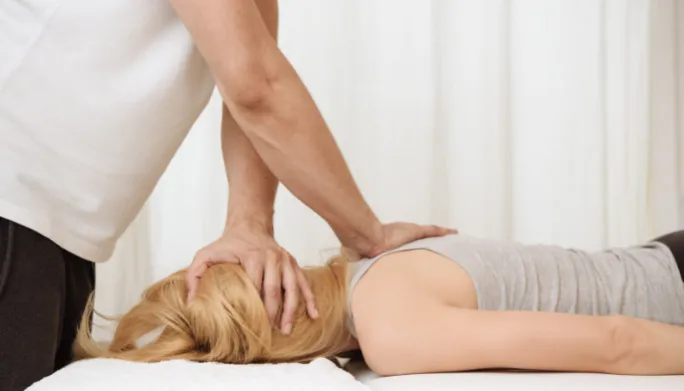
Chiropractor performing a hands-on spinal manipulation
01What It Is

What is spinal manipulation?

Spinal manipulation is a controlled, targeted thrust or mobilization applied directly to a stiff or restricted joint in your spine. When a vertebral joint stops moving the way it should, it can irritate the nerve that runs beside it and send pain into your back, hip, or leg. The adjustment restores normal motion to that specific joint, takes pressure off the nerve, and lets your spine move the way it was built to move. Most patients feel looser right after the first session, because the joint that was stuck is finally free to do its job again. It works because it goes straight to the segment causing the problem instead of treating the spine as one big block.

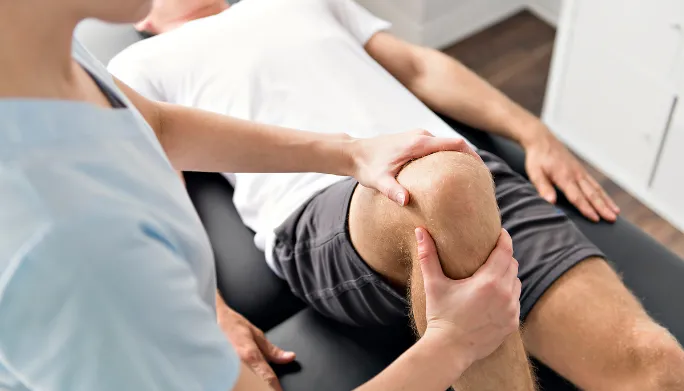
This is a specific hands-on technique, not a general wellness routine. Your provider locates the exact vertebra that has lost motion, then applies a precise, controlled force to that joint alone. It differs from our broader chiropractic care, which may combine manipulation with other approaches across a full plan of care. Here, the focus stays narrow: find the restricted joint, restore its motion, and calm the nerve irritation coming from it. That precision is what makes spinal manipulation effective for stiff backs, tight necks, and nerve-related pain that traces back to a single joint in your spine.
02Who It's For

Who it's for.

Spinal manipulation is for anyone whose spine has lost motion in a specific joint and is causing stiffness or nerve-related pain. If a section of your back or neck feels locked up, or pain travels from your spine into an arm or leg, this is worth exploring.

01

Chronic low back stiffness

Your lower back feels locked up first thing in the morning or after sitting too long, and stretching barely touches it. A restricted vertebral joint is often the reason. Spinal manipulation restores motion to that exact segment so the muscles around it can finally relax. Once the joint moves freely again, bending and lifting stop feeling like a struggle.

02

Neck pain with restricted rotation

You cannot turn your head fully to check a blind spot or look over your shoulder without pain. Limited rotation like this usually points to a stiff joint high in your neck. A targeted adjustment frees that joint and returns the range of motion turning your head naturally requires, often within a session or two.

03

Sciatica-type nerve pain traced to a spinal joint

Sharp or radiating pain running from your low back into your hip or down your leg often starts at a single irritated joint in your spine. When that joint is restricted, it can crowd the nerve root beside it. Spinal manipulation takes the pressure off that nerve at the source, so the pain traveling down your leg has a reason to ease.

03What To Expect

What to expect in a session.

Every spinal manipulation session starts with a hands-on check of how your spine is moving, then goes straight into the adjustment itself. You will feel the difference in mobility right away.

01

Assessment of spinal mobility

Your provider checks how each segment of your spine moves and finds exactly which joint is restricted. You will point to where it feels stuck or where the pain radiates, and a quick hands-on exam confirms the source. This step makes sure the adjustment that follows targets the actual problem, not just the general area.

02

The manipulation itself

Using a controlled, precise thrust or a gentle mobilization, your provider moves the restricted joint through its normal range. It happens quickly, often in a second or two per joint. Most patients feel an immediate release of tightness as the joint frees up and the pressure on the nearby nerve lets go.

03

Follow-up movement work

After the adjustment, you move through simple exercises that reinforce the new range of motion. This keeps the joint from tightening back up and helps your body learn to hold the improvement. Your provider also gives you guidance on movement and posture to protect the progress once you leave.

Good to know

A popping or cracking sound during an adjustment is normal. It is just gas releasing from the joint, not anything breaking or grinding. Some patients feel mild soreness for a day afterward, similar to how a muscle feels after a new workout, and that typically fades quickly. If soreness lingers or something feels off, a quick call to the clinic can put your mind at ease.

In Their Words
Dr. Mair is the best! Not only does he help with realignments, he was instrumental in helping me make important improvements to my health.
Ceewin L. · 3 months ago
Explore More

Where to go next.

Request an Appointment

Ready when you are.

HoursMon–Fri: 8:00 AM – 5:00 PM
Walk-insCall ahead
Book your evaluation. Same-week appointments available.
Step 1 of 5
First things first. What's your name?
We'll need a name to book you in.
Best number to reach you?
A phone number lets us confirm same-day.
And your email?
We'll send your confirmation here.
What questions do you have about your pain or injury?
A few words is all we need.
Look right? Send it.
✓
Request received.

We'll call within business hours to lock in your time.

Schedule Appointment